
Whole-Home Rewiring
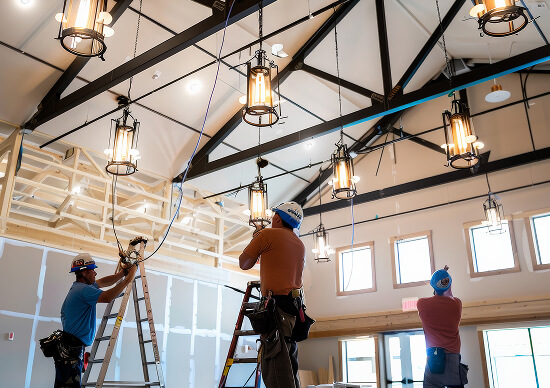
Whole-Home Rewiring in Tampa Bay
Whole-home rewiring is one of the more significant electrical projects a homeowner can take on, and it is also one of the most important. We approach every rewiring project with a clear plan, transparent communication, and code-compliant work from the first outlet to the last.

What Whole-Home Rewiring Actually Involves
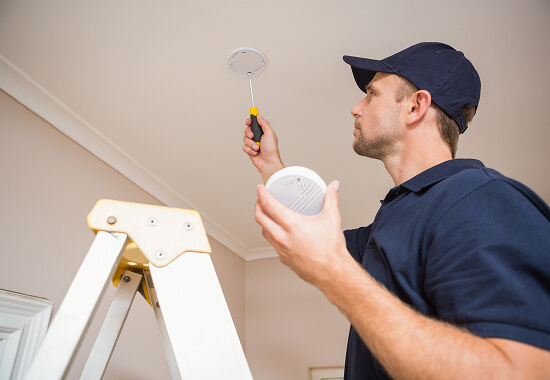
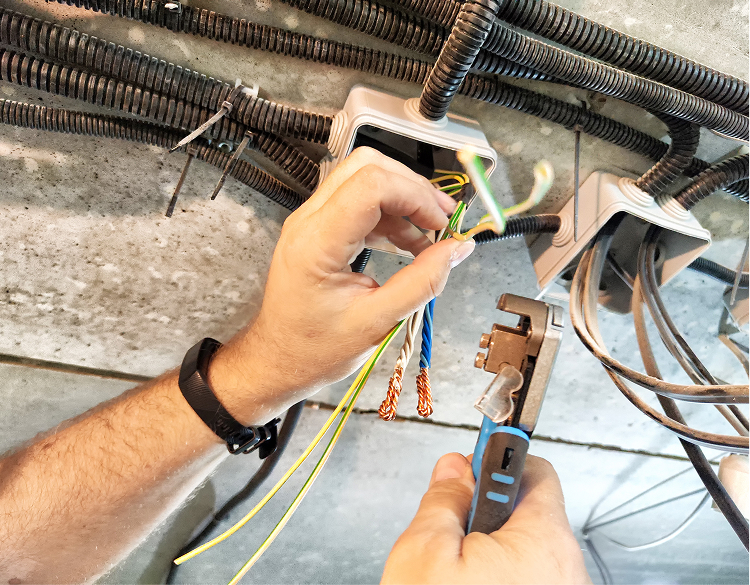
Whole-home rewiring means replacing the electrical wiring throughout a property, from the panel to every outlet, switch, and fixture, rather than patching individual problem areas. Depending on the scope of the project, this typically includes:
- Removing old, deteriorated, or unsafe wiring throughout the home
- Installing new wiring sized correctly for each circuit's load
- Replacing outdated outlets and switches with grounded, code-compliant versions
- Upgrading or replacing the electrical panel if it cannot support the new system
- Adding dedicated circuits for major appliances, HVAC equipment, and high-draw devices
- Correcting any unsafe wiring practices found during the project, such as improper splices or ungrounded connections
- Restoring walls, ceilings, and any surfaces disturbed during the rewiring process
The result is a home with a wiring system built to current code, sized for modern electrical demand, and free of the safety risks that come with aging wiring.
Signs Your Home Needs Rewiring
Several signs point clearly to a home that needs rewiring rather than a smaller repair:
- Frequent breaker trips without an obvious cause
- Flickering or dimming lights throughout the home, not isolated to one fixture
- Warm or discolored outlets and switches
- A persistent burning smell with no obvious source
- Buzzing or crackling sounds from outlets, switches, or the panel
- Two-prong, ungrounded outlets throughout an older home
- Visible knob-and-tube or cloth-insulated wiring, common in homes built before the 1960s
- Aluminum wiring, common in homes built in the 1960s and 1970s, which carries known connection and overheating risks
- Frequent need for extension cords or power strips because there are not enough outlets or circuits
- A home inspection report flagging outdated, unsafe, or non-compliant wiring
- Difficulty getting homeowners insurance due to the home's wiring type or age
If any of these apply to your home, a wiring assessment is the right first step to determine whether a full rewire, a partial rewire, or targeted repairs make the most sense.

Why Older Wiring Becomes a Safety Risk
Wiring materials, insulation, and electrical codes have changed significantly over the decades. Older wiring types were built for a different era of electrical demand and, in some cases, are now recognized as inherently higher risk:
Knob-and-tube wiring, common in homes built before the 1950s, lacks a ground wire and was never designed for modern insulation materials packed around it, which increases fire risk over time.
Aluminum wiring, common in the 1960s and 1970s, expands and contracts more than copper at electrical connections, which can loosen connections over time and create overheating risk at outlets, switches, and the panel.
Cloth-insulated wiring degrades with age, becoming brittle and more prone to cracking, exposing bare wire underneath.
Undersized wiring installed decades ago was never intended to support the electrical load of central air conditioning, modern kitchens, home offices, and multiple large appliances running at once.
Rewiring replaces these outdated materials with modern copper wiring, sized and insulated to current code, eliminating the specific risks tied to each older wiring type.
Whole-Home vs Partial Rewiring
Not every home needs a complete rewire from the ground up. During the assessment, we determine whether:
- A whole-home rewire makes sense, typically for homes with widespread outdated or unsafe wiring throughout
- A partial rewire is sufficient, addressing specific rooms, circuits, or wiring types while leaving sound, code-compliant wiring in place
- Targeted repairs can resolve the issue, when the wiring is generally sound but specific components need correction
We walk you through the reasoning behind the recommendation so you understand exactly why a particular scope makes sense for your home, rather than defaulting to the largest possible project.
Rewiring for Home Additions and Renovations
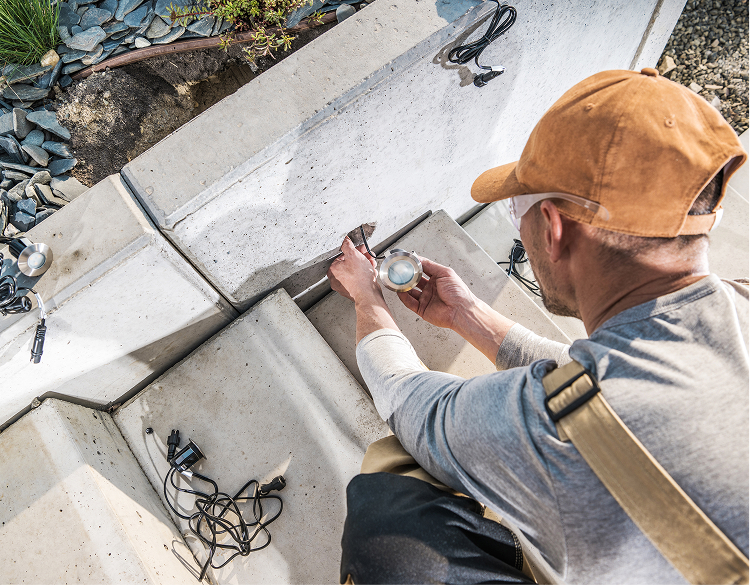
Rewiring is not only for aging homes. It also comes up during larger renovation projects, including:
- Home additions that need new circuits extended from the main panel
- Kitchen and bathroom remodels that require updated, code-compliant circuits for new appliances and fixtures
- Basement, attic, or garage conversions that need wiring added where none previously existed
- Whole-house renovations where walls are already open, making it the ideal time to address wiring before finishes go back up
If you are already planning a renovation, addressing wiring at the same time avoids the cost and disruption of reopening finished walls later.
Rewiring and Panel Compatibility
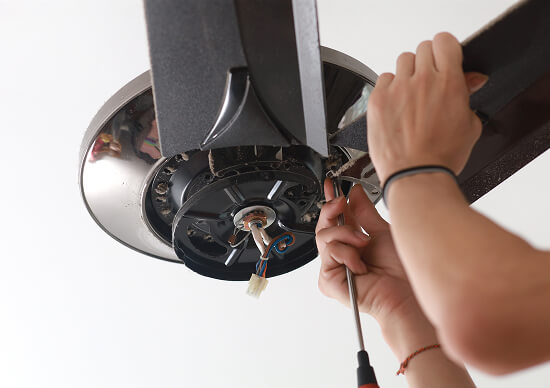
A whole-home rewire is closely tied to your electrical panel's condition and capacity. An older panel may not have room for the additional circuits a modern rewiring project requires, or it may be a panel brand with known safety concerns. During the assessment, we evaluate whether your existing panel can support the new wiring system or whether a panel upgrade should be included as part of the project. Addressing both together ensures the entire electrical system, from the panel to the outlets, works together safely and reliably.
Our Whole-Home Rewiring Process
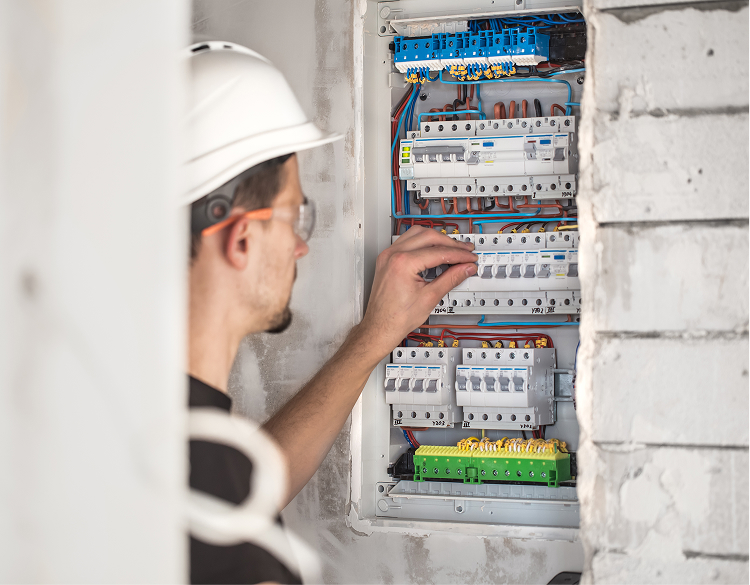
- Assessment. We inspect the home's existing wiring, panel, and overall electrical system, identifying wiring type, age, condition, and any safety concerns.
- Scope and plan. We determine whether a whole-home rewire, partial rewire, or targeted repair is the right fit, and outline the specific work involved.
- Permitting. Rewiring projects require permits, which we handle as part of the process.
- Wiring installation. We run new wiring throughout the home, replace outlets and switches, and upgrade the panel if needed, working room by room to manage disruption.
- Wall and surface access. Depending on the home's construction, some wall or ceiling access is typically needed to run new wiring. We coordinate this carefully and handle patching where it falls within the project scope.
- Testing and inspection. Every circuit is tested before the project is considered complete, and we coordinate any required inspections so the work is fully documented and code compliant.

What to Expect During a Rewiring Project
Whole-home rewiring is more involved than most electrical services, and it helps to know what to expect. Depending on the size of the home and scope of work, a rewiring project can take anywhere from several days to a couple of weeks. Power will be temporarily unavailable in areas actively being worked on, and some wall or ceiling access is typically necessary. We coordinate scheduling with you in advance, work in a logical sequence to minimize disruption, and keep you informed of progress throughout the project rather than leaving you guessing.
Rewiring and Insurance Considerations
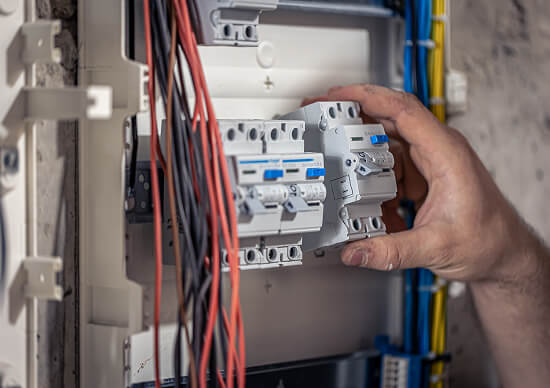
Some insurance carriers place restrictions on homes with knob-and-tube or aluminum wiring, either declining coverage outright or requiring the wiring to be updated before a policy is issued or renewed. If you are dealing with an insurance requirement tied to your home's wiring, we can provide documentation of completed work to support your policy application or renewal process.
Commercial Rewiring Projects
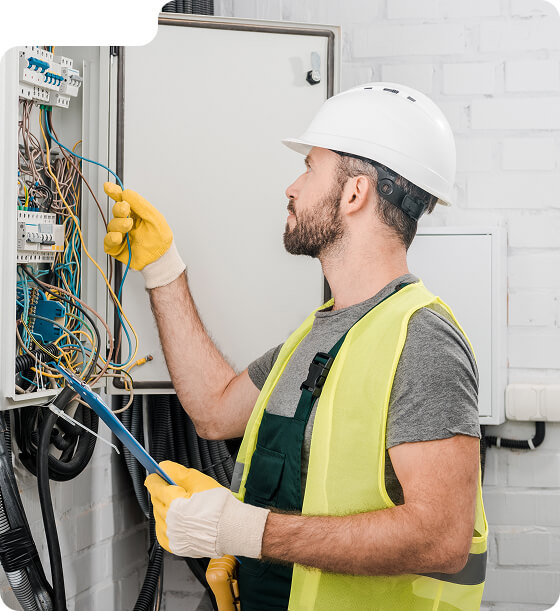
Older commercial buildings face similar wiring challenges as aging homes, often compounded by higher electrical demand from equipment, lighting, and HVAC systems. We handle commercial rewiring for offices, retail spaces, and multi-tenant buildings, working around business hours where possible to minimize operational disruption while bringing the property's wiring up to current code and capacity requirements.
Our Service Areas in Tampa Bay
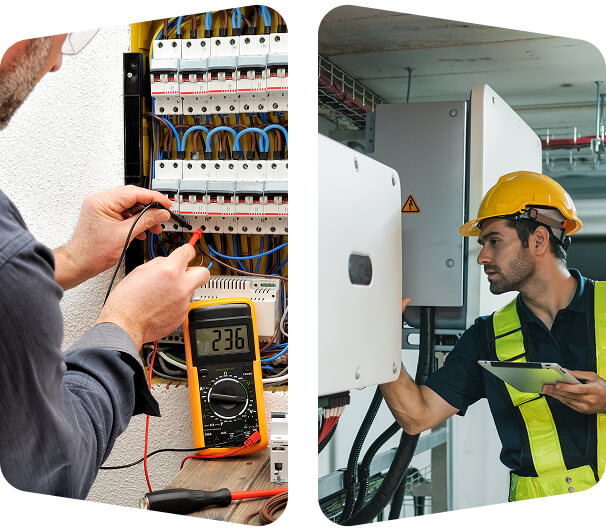
Our main service area is Tampa Bay, and our electricians provide whole-home rewiring services for properties throughout the region.
Other Areas We Serve
In addition to our main Tampa Bay service area, we also provide whole-home rewiring services to the following communities:
- Odessa
- Land O' Lakes
- Lutz
- Trinity
- Carrollwood
- Wesley Chapel
- Epperson and Mirada communities
- Dade City
- Zephyrhills
Don't see your area listed? Give us a call anyway. We serve many nearby communities beyond this list, so reach out and we will confirm whether we can get to your property.

Related Services
Whole-home rewiring often overlaps with other electrical work. Related services include:
- Residential Electrical Services
- Electrical Panel Upgrades
- Lighting Installation and Upgrades
- Emergency Electrician Services
Frequently Asked Questions
Schedule Your Wiring Assessment